Creating a Lush Water Garden: Practical Steps for a Healthy Pond Habitat
A practical guide to designing and maintaining a thriving pond garden, from plant selection to seasonal care and wildlife-friendly planting.
Choosing the Right Pond Space and Plant Palette
Before digging in, assess available sun, shade, and water access to shape a balanced planting scheme. Start with a core mix of pond plant varieties that thrive together, ensuring that water lilies sit with shallow-rooted margins while avoiding overcrowding. For beginners and seasoned gardeners alike, sourcing reliable, proven options reduces guesswork and yields faster, more resilient growth. British Pond Plants offer a curated starting point for varied textures and tones that compliment stone, wood, and natural edging.
Map out zones for deep water, mid-depth, and marginal areas, then sketch a planting rhythm that mirrors natural wetlands. In practice, group water lilies in the deeper sections to anchor vertical interest, while marginal pond plants extend along the banks to soften edges. A careful layout prevents roots from competing and creates accessible gaps for seasonal maintenance and wildlife movement.
Soil, Substrate, and Water Quality Essentials
The foundation of a thriving pond ecosystem is the substrate beneath your aquatic plants. Use a high-quality aquatic compost or pond soil that holds nutrients without clouding water. Add a layer of smooth gravel to protect rooting zones and aid filtration, then top with a decorative layer of pebbles to reduce algae buildup in exposed areas. Consistent water testing helps you adjust pH and hardness before planting becomes critical.
Regular feeding with slow-release nutrients during the growing season supports robust growth without overloading the system. Install a simple mechanical filtration unit and a biofilter to maintain clarity, especially during warmer months when plant activity increases. Keeping a steady routine reduces plant stress and minimizes the need for drastic interventions later.
Water Lilies: Focal Points for Depth and Color
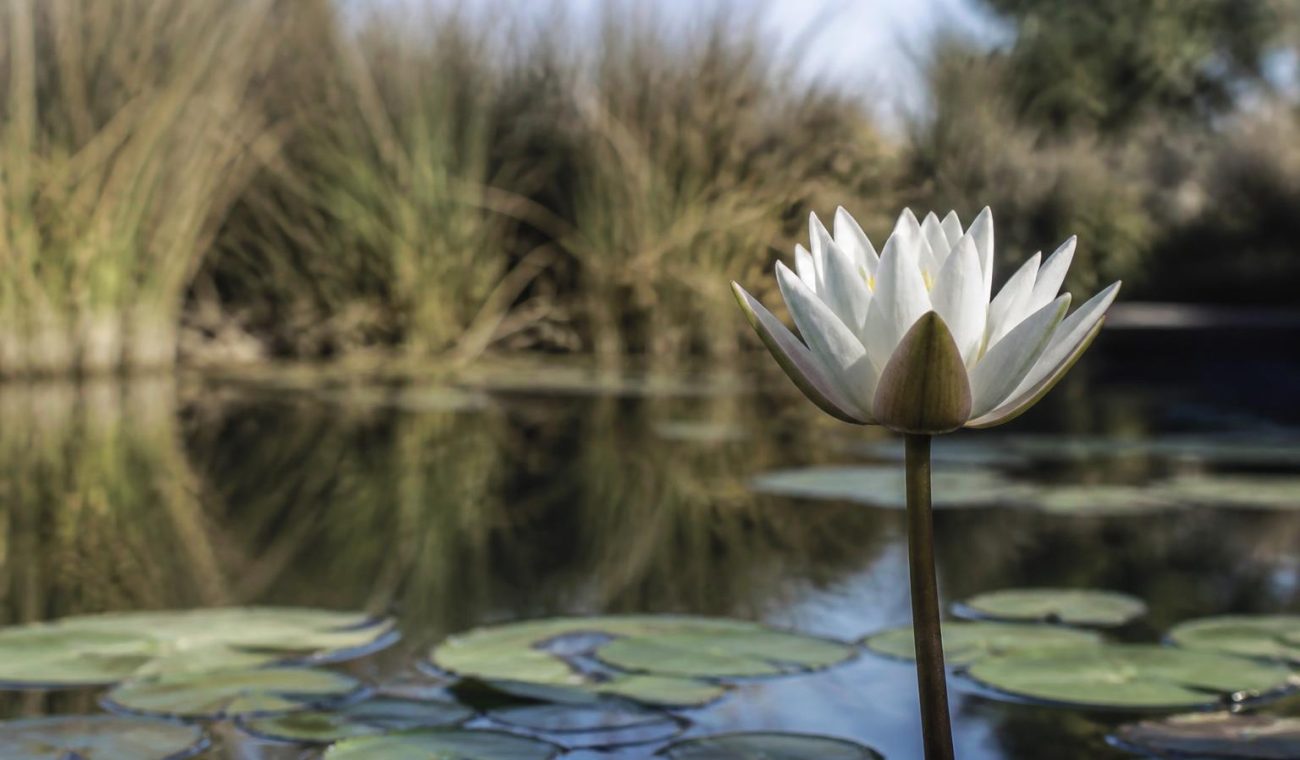
Water lilies create striking focal points and year-round structure, with broad lily pads that float serenely above the surface and vibrant flowers that draw the eye. Choose varieties that suit your climate and pond depth, ensuring blooms emerge above the water line for easy viewing. Pruning spent blossoms extends flowering; meanwhile, remove dead leaves to prevent decay from clouding water quality.
When spacing lilies, allow ample room for root expansion and avoid placing them directly under overhanging branches that drop debris. A well-balanced lily bed contributes shaded refuge for fish and invertebrates while offering dramatic color contrasts against dark water reflections. Expect a natural bloom cycle that peaks in mid to late summer, then tapers as days shorten.
Marginal Pond Plants: Framing the Edges
Marginal pond plants thrive at the water’s edge, where their roots reach into the substrate and leaves spill over into the margin. They soften concrete or liner borders, providing shelter for pond life and a sense of lush, natural growth. Include a mix of grasses, reeds, and broadleaf species to create vertical interest and seasonal change, from fresh spring growth to autumn coloration.
Consider the growth habit and cold tolerance of marginal plants to ensure they survive winter in your climate. Regular trimming keeps margins tidy and prevents runaway spread into deeper zones. A well-considered marginal border acts as a living screen, reducing glare and encouraging wildlife to linger longer in your pond garden.
Seasonal Maintenance: Routine Care Through the Year
Seasonal maintenance is the backbone of long-term pond health. In spring, remove lingering debris and check for damaged stems, then initiate a gradual feeding program to stimulate growth after dormancy. Throughout summer, monitor nutrient levels, perform light pruning to keep air circulation optimal, and manage algae with gentle interventions such as shading or controlled planting density.
Autumn brings a restful period for plant matter, making it an ideal time to tidy around margins and prepare for winter. Clear excess leaves, mulch exposed roots, and ensure plants are securely anchored before the first frosts. A predictable, low-stress routine reduces disease risk and supports a more vigorous rebound when growth resumes the following year.
Wildlife and Ecosystem Balance: Attracting Beneficial Guests
Designing with wildlife in mind ensures your pond garden becomes a thriving micro-ecosystem. Plant combinations that provide nectar, shelter, and spawning sites attract dragonflies, insects, frogs, and birds while maintaining plant health through natural predation and decomposition processes. A diverse palette of textures—from glossy leaves to feathery grasses—creates microhabitats that sustain a broad spectrum of life.
Limit chemical interventions and foster natural resilience by maintaining varied plant heights and root densities. When introducing new species, choose native or well-adapted varieties to reduce stress on the system. A balanced, wildlife-friendly approach yields a dynamic garden that remains beautiful across seasons without heavy maintenance demands.
Final Design Tips and Troubleshooting Common Pitfalls
Start with a realistic assessment of space, sunlight, and maintenance capacity before purchasing plants. Prioritize a coherent balance of deep-water, mid-water, and marginal varieties to prevent crowded growth and ensure easy access for routine care. Keep a simple calendar for water testing, pruning, and seasonal cleanups to maintain steady progress and avoid stagnation.
Watch for signs of stress such as pale leaves, stunted growth, or unusual leaf coloration, which can indicate nutrient imbalances or pests. Address problems promptly by adjusting light exposure, nutrient levels, or competing plants. A thoughtful, proactive approach helps you enjoy a thriving pond garden with fewer surprises and more lasting beauty.
Optional Texture Note
- Consider adding a floating raft of duckweed for rapid surface cover during peak heat, reducing algae energy and creating a microhabitat for fry.
- Install a shallow shelf with a few seasonal blooms to provide visual interest even when water levels fluctuate.