Nurturing a Lush Home Garden: Practical Steps for Indoor-Outdoor Harmony
Discover practical home improvement tips that blend interior comfort with outdoor gardening charm, creating cohesive decor from living rooms to patios.
Designing a Cohesive Home-Garden Flow
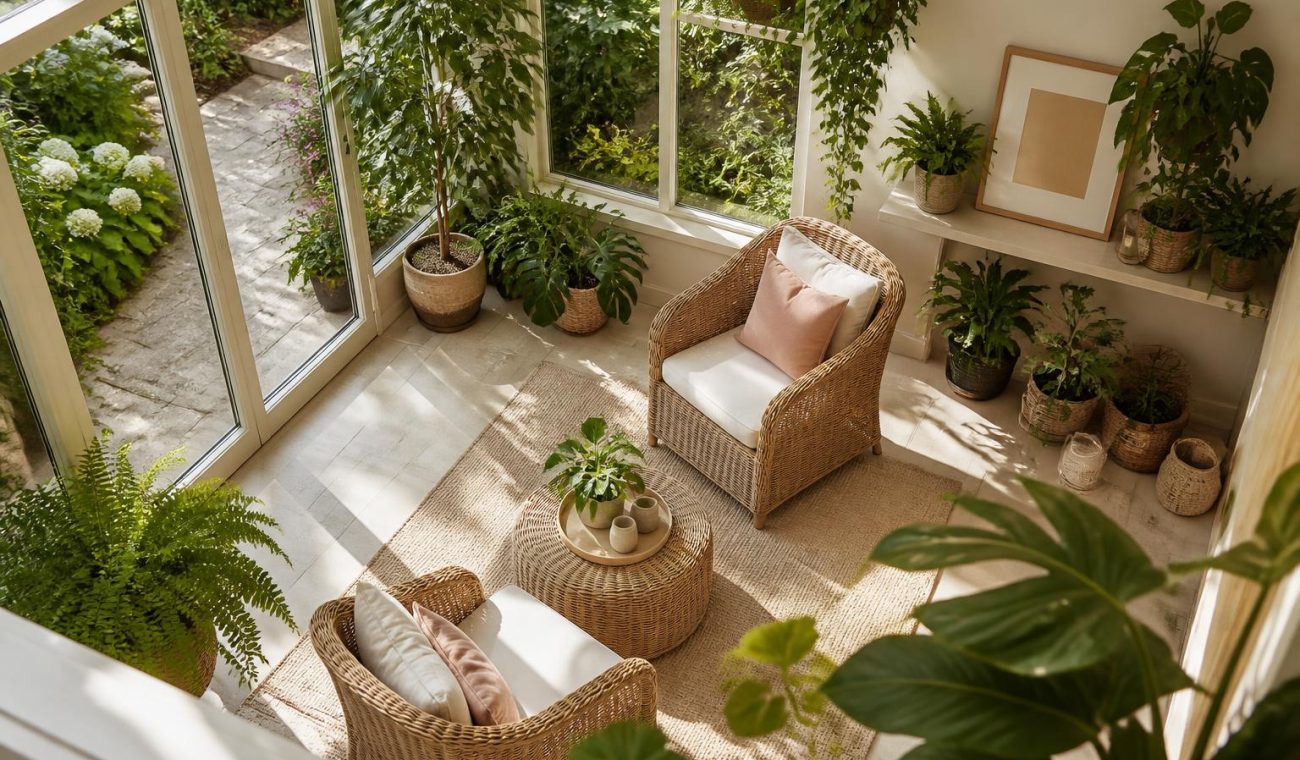
Creating a seamless transition between indoor spaces and outdoor gardens starts with a thoughtful layout that guides the eye and the feet alike. Start by choosing plant colors and textures that echo interior decor themes, such as soft neutrals or bold accents, to unify rooms and gardens. Consider sightlines from windows and doors, placing taller specimens where they can frame views without crowding paths, and always account for seasonal changes in light and temperature. British Pond Plants help anchor water features as living decor that extend the home’s color story into the yard, inviting year-round interest.
Next, map essential zones: a cooking herb patch near the kitchen door, a shady seating area for afternoon breaks, and a sunlit border for vibrant blooms. Use durable, weather-resistant materials to connect decks or patios with interior thresholds, creating a sense of roominess rather than separate realms. Incorporate pathways with natural stones or timber that subtly echo indoor flooring while guiding footwear, wheelchairs, and gardens alike toward desirable destinations. This approach supports both home improvement goals and the joy of gardening.
Choosing Plants for Year-Round Interest
Smart plant selection emphasizes structural form, seasonal color, and maintenance needs that fit your routine. Start with evergreen backbone species that maintain shape through winter, then layer in seasonal bloomers for spring and summer drama. Pair foliage textures—glossy yucca with feathery grasses or broad-leaved hostas with fine-leaved sedges—to build visual complexity without clutter. Group plants in odd-numbered clusters to create natural focal points that feel intentional rather than random.
Consider microclimates across your property: sheltered corners stay warmer, while exposed edges drink sunshine more quickly. Choose drought-tolerant varieties for dry spots and moisture-loving plants for damp corners, ensuring consistent growth without constant irrigation. Regular pruning maintains form, reduces disease risk, and prolongs flowering periods, turning your garden into a living art piece that complements interior decor and overall home improvement ambitions.
Container Gardening as a Flexible Decor Tool
Containers offer mobility and instant color, letting you test seasonal palettes without major changes to the landscape. Select sizes that balance scale with existing plantings and ensure drainage to prevent root rot. Use a high-quality mix tailored to each plant’s needs, then refresh yearly with a top-dressing of compost to keep soils lively and nutrient-rich. Strategically place troughs and pots near doors for convenient herb harvests and porch color that greets guests warmly.
Rotate plant selections with the seasons to maintain visual interest and support pollinators. Bold, flowering calibrachoa or trailing ivy can cascade over container edges, while upright sun lovers like penstemon provide vertical accents. The result is a portable canvas that reinforces interior design choices, while offering seasonal rewards that encourage ongoing home improvement projects and gardening enthusiasm.
Water Features as Living Decor
Water features bring movement, sound, and a sense of tranquility that enhances any home and garden. A compact pond or birdbath can become a centerpiece in a courtyard, drawing wildlife and providing reflective surfaces that mirror the sky and surrounding plants. Keep electrical components safely tucked away from moisture, and choose materials that weather gracefully, such as natural stone or ceramic urns. A modest fountain can be both a focal point and a soothing backdrop for evening gatherings.
Integrate lighting at water edges to extend enjoyment after dusk, highlighting plant silhouettes and the shimmer of water. Subtle underwater lights or solar options offer energy efficiency and drama without overwhelming the scene. When designed with care, a water feature aligns interior and exterior spaces, reinforcing decor themes and supporting a calmer, more inviting home environment for years to come.
Soil Health and Plant Nutrition
Healthy soil is the foundation of thriving interior and exterior greenery. Begin with a soil test to identify pH and nutrient levels, then amend where necessary with balanced compost and slow-release fertilizers. Layer organic matter to improve structure, drainage, and microbial life, which supports robust roots and better drought resilience. Track rainfall and adjust irrigation to respect plant needs, reducing waste while keeping beds vibrant through changing seasons.
Apply mulch to conserve moisture and suppress weeds, choosing organic varieties that break down over time to feed the soil. As roots spread, monitor compaction in high-traffic areas and aerate when needed to keep air circulation optimal. A mindful approach to soil health not only enhances garden longevity but also streamlines interior maintenance by reducing indoor soil dust and plant stress, supporting a healthier home environment overall.
Lighting and Microclimates Inside and Out
Lighting shapes mood and function, both inside and out. Layer ambient, task, and accent lighting to mimic daylight patterns, ensuring spaces remain usable after sunset. Indoors, choose adjustable fixtures that blend with decor; outdoors, weatherproof options with warm color temperatures create inviting evening terraces and highlighted plant textures. Use timers to balance intensity and energy use, maintaining a cozy, usable atmosphere through seasonal shifts.
Outdoor lighting also affects plant performance, particularly for species that thrive with extended roos or shade. Install uplights to emphasize tree canopies and downlights for groundcovers, ensuring pathways remain safe. When lighting aligns with interior color schemes and architectural lines, your home gains a cohesive, curated feel that harmonizes interior comfort with garden vitality and decor storytelling.
Seasonal Maintenance Routines
Develop a practical seasonal calendar that aligns home improvement tasks with garden care, reducing churn and maximizing results. In spring, prune deadwood, refresh mulch, and plant new color accents; in summer, water deeply at dawn and oversee pest checks; in autumn, tidy beds and prepare perennials for dormancy; in winter, protect tender specimens with appropriate coverings. This rhythm prevents overwhelm while sustaining a living decor that evolves with the year.
Document outcomes and adjust based on how plants perform in your microclimates, noting which combinations deliver the strongest visual impact. Keep a compact notebook or digital record of plant types, fertilizer schedules, and light exposure for quick reference. A disciplined routine reduces surprises and enhances both interior comfort and garden beauty, reinforcing a holistic home improvement mindset.
Texture and Accessories
- Garden sculptures and planters that echo interior art styles
- Natural fabrics and outdoor cushions that resist weathering
- Vertical trellises for climbers, echoing wall decor