Smart Gardening and Home Improvement: Practical Steps to Elevate Interior Comfort and Outdoor Spaces
A practical guide blending gardening, decor, and home improvement tips for elevating both interior comfort and outdoor spaces.
Blending Outdoor Design with Practical Gardening Skills
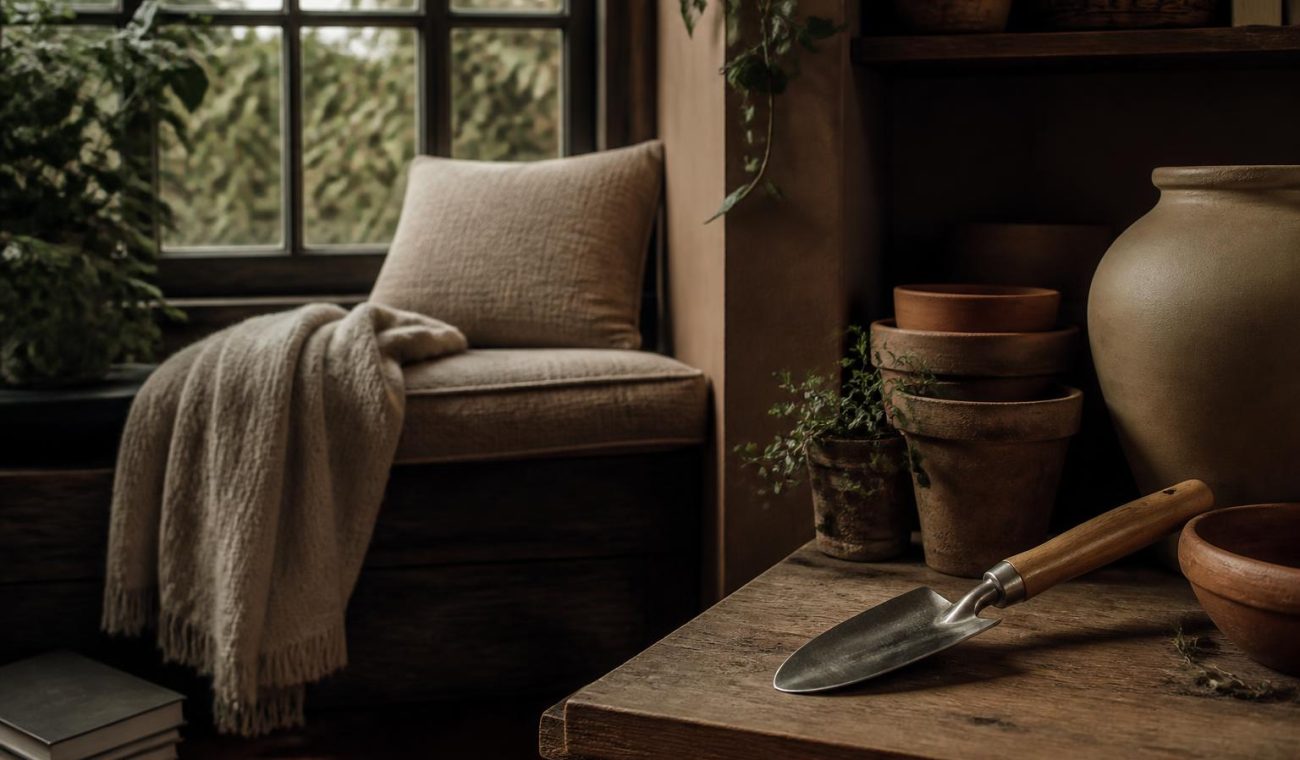
Gardening can transform a yard into a functional, welcoming space that complements home improvement efforts. From selecting hardy perennials to planning seasonal color, thoughtful plant choices reduce maintenance while boosting curb appeal. Homeowners who invest time in careful layout and soil health often see taller, healthier plants that thrive with natural light and appropriate irrigation. lidar technology provides precise terrain mapping for larger projects, helping you plan pathways and beds with confidence.
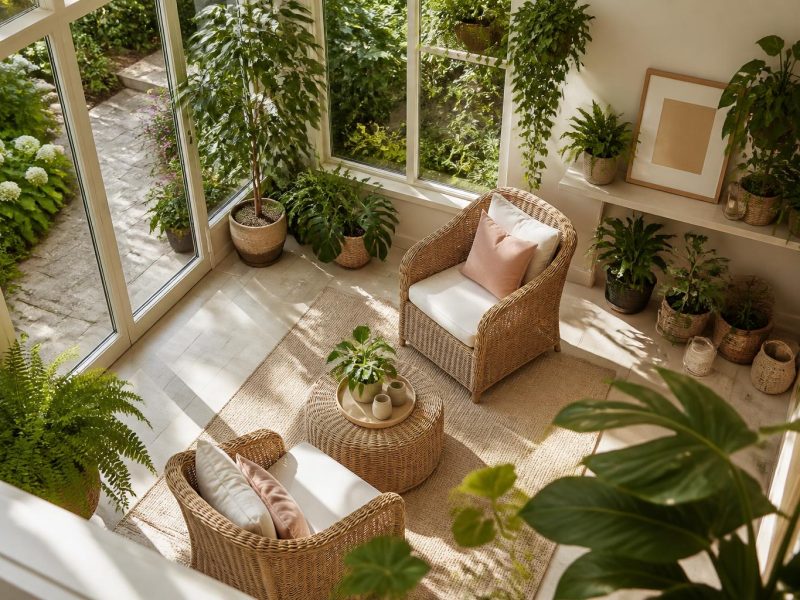
As you refine your outdoor layout, consider how interior decor themes can influence exterior decisions. A cohesive color story, similar textures, and complementary materials create a seamless transition from living room to patio. Gardening then becomes an extension of your interior style, with planters, trellises, and seating that echo the decor palette while offering practical function such as shade, wind protection, and seating nooks for relaxation after home improvement tasks.
Choosing Plants and Materials for Low-Maintenance Beauty
Selective planting reduces upkeep while delivering year-round interest. Choose native species that resist local pests and thrive in your soil, then pair them with drought-tolerant options to save water. When selecting materials for outdoor spaces, prioritize durable, weather-resistant finishes that align with your interior style—think composite decking, stone veneers, and powder-coated metals. This approach minimizes frequent repairs and keeps your garden looking polished as seasons change.
Incorporating edibles into ornamental beds blends practicality with aesthetics. Herbs at the border provide fragrance and culinary utility, while compact vegetables offer fresh produce without needing a large footprint. Proper mulching, drip irrigation, and smart spacing reduce weed pressure and water waste, so your gardening routine stays efficient and enjoyable while supporting a sustainable home improvement mindset.
Lighting, Climate, and Comfort for Indoor-Outdoor Living
Lighting design extends your living space beyond the walls, casting warmth over outdoor seating and walkways. Soft LED strips along steps, solar garden lights, and shaded pergolas create inviting evenings that echo indoor lighting schemes. Managing climate through shade structures, windbreaks, and plant placement helps maintain comfort during hot summers and cool nights, making exterior areas usable year round as part of a cohesive decor and home improvement strategy.
Smart controls for exterior lighting and irrigation turn maintenance into a set-it-and-forget-it routine. Programmable timers align watering with your region’s rainfall patterns, while outdoor fixtures with warm color temperatures mirror interior lamps. This synergy between interior and exterior lighting reinforces a consistent atmosphere, reinforcing the sense that the home, garden, and decor form one integrated space for relaxation and productivity.
Water Features and Sustainable Irrigation Practices
A small fountain, rain garden, or succulent centerpiece can anchor a garden corner while supporting sustainable water use. When designing an irrigation system, prioritize drip lines and zone controls that deliver moisture exactly where plants need it, minimizing runoff and waste. By pairing efficient irrigation with permeable pavers or gravel pathways, you create a sustainable, low-maintenance landscape that remains attractive during drought cycles, aligning with responsible home improvement goals.
Consider rain capture and reuse as part of your garden plan. A simple barrel system can feed a drip network or a decorative water feature, combining practicality with visual appeal. This approach not only conserves resources but also provides a quiet, ambient soundtrack to outdoor gatherings, tying together interior comfort and exterior charm through thoughtful, green-minded decor choices.
Seasonal Transitions: Planning for Year-Round Appeal
Seasonal planning avoids the blank winter shoulder and keeps your home and garden looking intentional. Choose evergreens for structure, along with seasonal blooms that provide color without heavy maintenance. By drafting a yearly calendar for pruning, planting, and mulch refreshes, you ensure that both interior spaces and exterior beds remain vibrant, reducing last-minute scrambles and supporting a steady, deliberate decor cadence.
Pair seasonal planting with interior decor updates to maintain harmony between spaces. For example, cultivate hardy border grasses that echo textile textures used inside, and add containers that reflect your color accents. This synchronized approach to gardening and interior styling strengthens the sense of a complete home improvement project rather than two separate tasks.
Tools, Tech, and Practicalities for Everyday Maintenance
Investing in reliable hand tools, cordless pruners, and a sturdy wheelbarrow reduces time spent on routine tasks and encourages consistent upkeep. A well-organized shed, with labeled bins for seeds, soil, and irrigation parts, supports efficient maintenance—crucial for sustaining a garden that complements interior and decor goals. Over time, smart storage solutions prevent clutter from eroding the peaceful home environment you’re creating.
Moreover, consider utilitarian features that enhance usability, such as raised beds for accessibility, soil test kits for healthy plant growth, and a simple composting setup for nutrient-rich soil amendments. Keeping maintenance approachable ensures you stay motivated to maintain both interior spaces and outdoor areas, reinforcing a practical, joy-driven approach to home improvement and decor.
Creative Edges: Fences, Screens, and Privacy without Sacrificing Style
Fences, lattice screens, and living borders serve multiple purposes: defining spaces, providing privacy, and supporting climbers or vertical plantings. Select materials that align with your home’s architecture and interior decor, choosing tones and textures that harmonize with outdoor furniture and planters. Well-placed screens can soften wind while framing views, turning mundane boundaries into curated vistas that invite lingering afternoons amid lush planting.
Vertical gardening systems and trellises expand growing space and add architectural interest. By combining sturdy materials with decorative elements such as hanging lanterns, potted herbs, and climbing blooms, you create layered depth that mirrors interior staging techniques. This approach demonstrates how thoughtful design decisions in decor and gardening reinforce a cohesive, comfortable home environment.