Efficient Outdoor Living: A Practical Guide to Garden, Exterior Decor, and Home Improvement
Transform your outdoor spaces with practical gardening tips, durable decor, and smart planning for home improvement that blends interior comfort with exterior charm.
Designing an Outdoor-Ready Home: Bridging Interior Comfort and Exterior Function
Creating cohesive living spaces means planning for flow between interior rooms and the garden. Start by mapping zones for cooking, relaxing, and growing, then select furniture and materials that weather well yet feel inviting. Consider incorporating a low-maintenance lawn, streamlined containers, and a compact seating arrangement that invites conversation while preserving movement paths for daily routines. A smart lawn mower can simplify maintenance, freeing time for other home improvement projects that elevate the overall aesthetic.
Denser plantings along borders can soften hardscapes and create microclimates that protect delicate plants. When choosing a palette, mix evergreen structure with seasonal color to keep the garden engaging year-round. Think about the way light changes throughout the day and place seating where you can enjoy sunrise or sunset without glare. This approach helps integrate the interior with the exterior, making gardening a natural extension of daily living.
Soil Health and Plant Selections for a Low-Cuss Garden
Healthy soil forms the foundation of a thriving garden, influencing plant vigor, water use, and nutrient cycling. Start with a soil test to determine pH and organic matter, then amend with compost and aged mulch to improve structure and moisture retention. Select a mix of natives and hardy perennials that have proven performance in your climate, while reserving space for annuals that provide seasonal color accents and fragrance around entryways and paths.
Layering plants by height creates visual depth and reduces weed competition, which in turn lowers maintenance time. Use a simple rule of thirds for bed design: tall back plants, mid-height fillers, and groundcovers that spill softly over edges. The right combinations of roots and stems can stabilize soil, support pollinators, and offer a feast of texture for curious visitors exploring your yard.
Water Wise Practices: Irrigation, Mulch, and Microclimates
Efficient watering begins with smart zoning and a reliable schedule that respects local rainfall patterns. Drip irrigation minimizes waste by delivering moisture directly to the root zone, while soaker hoses can be tucked beneath mulch to reduce evaporation. Combine these with a rain barrel system to capture runoff, then use mulch to insulate roots and suppress weeds, keeping moisture where it belongs and reducing maintenance.
Microclimates created by sun, shade, and wind exposure guide plant choices and protection measures. Position tender specimens in the shelter of fences or structures, and cluster drought-tolerant species in sunlit areas to maximize resilience. Regularly check for soil crusting after heavy rains and amend with compost to restore aeration and promote healthy microbial life beneath the surface.
“Weave” Decor Into Practical Outdoor Living Spaces
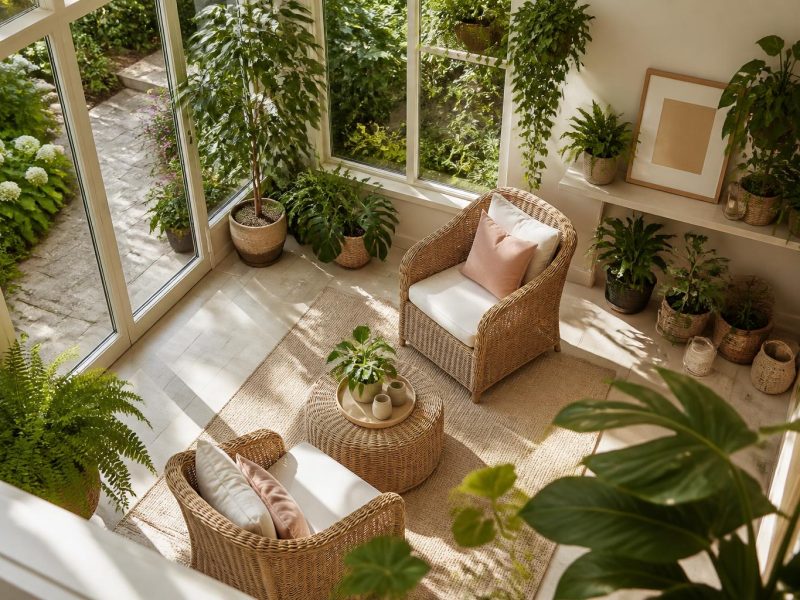
Decor in outdoor spaces should echo interior accents while resisting weathering. Select textiles treated for outdoor use, such as fade-resistant cushions and woven rugs that withstand moisture, while keeping a cohesive color story with your home’s interior. Hang lanterns or string lights for ambient evenings, and choose planters that reflect the same scale and silhouette as indoor containers for a unified look that remains practical year-round.
Art pieces and sculptural accents can anchor corners without overcrowding. Use vertical features like trellises or wall-mounted planters to maximize small patios, then balance with grounded furniture that invites lingering conversations. Thoughtful decor can elevate the dining setup, create focal points, and subtly improve the perceived space of your home exterior.
Edible Gardens: Fresh Flavors With Minimal Fuss
Edible gardening blends the joy of harvesting with the discipline of good design. Group herbs and compact vegetables in raised beds or long planters placed near the kitchen for quick access during cooking. Choose varieties that suit your climate and growing season, prioritizing continuous harvests and low-input maintenance to ensure productivity with limited effort.
Companion planting and succession sowing can extend yields and reduce pests, providing a reliable supply of fresh ingredients without heavy chemical interventions. Install a simple trellis for crawling vines and a small pollinator-friendly patch nearby to boost fruit set. This approach turns garden time into a satisfying routine that complements interior cooking and decor schemes.
Maintenance Routines That Save Time and Preserve Beauty
Establish a weekly rhythm that balances pruning, weeding, and equipment checks to prevent overwhelming workloads. Create a simple seasonal calendar that marks key tasks such as dividing perennials, topping up mulch, and refreshing seasonal plantings. By keeping chores predictable, you maintain garden health and preserve the aesthetic harmony between home, garden, and decor efforts.
Invest in durable, easy-to-clean surfaces for outdoor dining and foot traffic, and rotate furniture layouts to preserve wear patterns. A consistent approach to cleaning and storage reduces clutter and extends the life of decorative elements. Regularly inspect irrigation lines and lighting to ensure reliability, safety, and energy efficiency across all exterior spaces.
Creating Year-Round Utility with Flexible Outdoor Spaces
Flexible layouts enable your yard to serve different purposes across seasons. Convert a porch into a sunroom-like retreat in cooler months, or open up a shade-sheltered area for summer gatherings. Use modular seating and movable planters to reconfigure zones for entertaining, working, or quiet solitude, ensuring the exterior remains an extension of daily life and interior comfort.
Soundscapes and scent can strengthen outdoor ambiance without adding maintenance burdens. Consider a small fountain or water feature that runs quietly, and plant aromatics near entry points to greet guests. Thoughtful sound and fragrance design enhances the sense of sanctuary, making the entire home environment feel cohesive and inviting.