Five Practical Clues Top Red Light Therapy Manufacturers Use to Build Reliable Devices
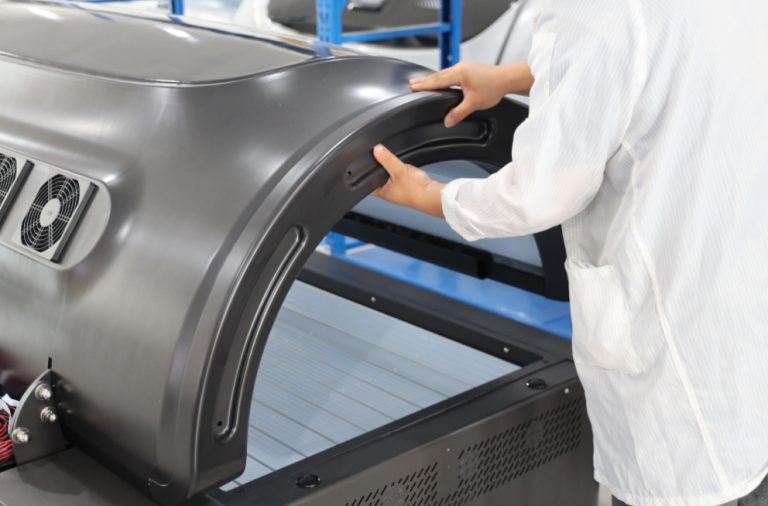
Introduction — a quick scene
I once stood in a small Bangkok lab watching a technician test a panel of LEDs while the rain tapped the window. The machine hummed; the team smiled. In that room I first heard how a red light therapy manufacturer balances cost and care — and I thought, can this scale? (Yes, scaling is always tricky.) Recent surveys say over 60% of clinics seek better device reliability and clearer specs. I ask: what really fails when a unit goes from prototype to clinic use? I will share what I learned, in plain ways, step by step. Now let us move from a story to what matters under the hood.
Why traditional solutions trip up — technical look
red light therapy device manufacturer often promise simple fixes: brighter LEDs, faster assembly. But the old playbook hides weak points. First, many designs ignore thermal paths. Heat builds near the LED driver and power converters, and then irradiance drops faster than expected. Second, specs on wavelength and pulse settings are vague, so users cannot compare devices fairly. Third, firmware and control boards sometimes lack proper EMI shielding; that causes unstable output in clinic settings. I have seen units fail after a few weeks because the PCB layout left hotspots. Look, it’s simpler than you think — better layout and quality parts fix a lot.
What fails inside, exactly?
Manufacturers who skip long-run burn-in testing miss hidden wear. Photobiomodulation depends on consistent wavelength and fluence. If the LED binning is loose, the clinical dose shifts. Edge computing nodes or smart-control modules can help with feedback, but only if they pair with robust hardware. In short: the traditional fixes focus on appearance and cost, not the sustained light output and thermal stability. That mismatch frustrates clinicians and patients alike — and I can tell you, we felt that frustration in the field many times.
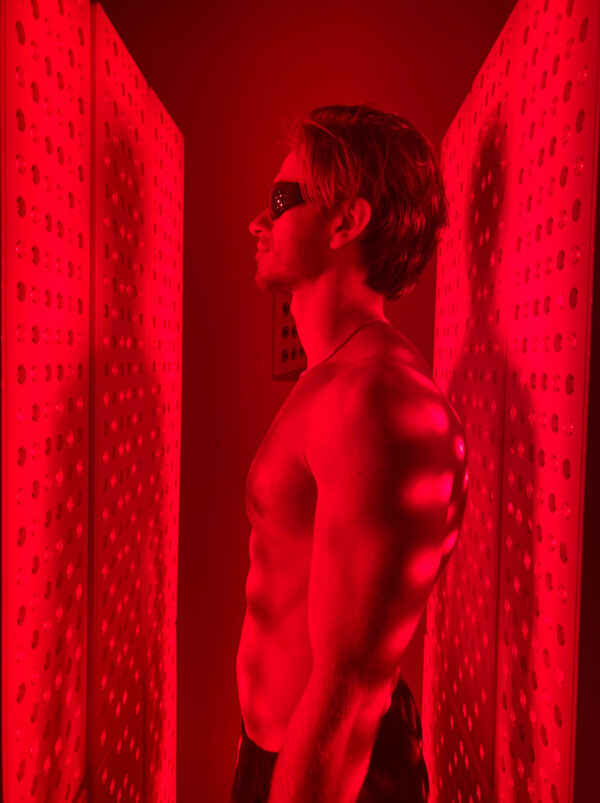 Future outlook — lessons and the next steps
What comes next? I see two paths: one path keeps chasing lower price and another invests in smarter hardware and test methods. For a real change, manufacturers must adopt better test rigs, clearer metrics, and user-focused design. A modern red light therapy device manufacturer pairs LED drivers with stable power converters, explicit irradiance curves, and easy service access. In practice, that means longer warranty, clearer manuals, and firmware updates that actually help. — funny how that works, right?
What's Next — practical metrics to choose by
If you evaluate devices, I recommend three metrics I trust: 1) Measured irradiance at target distance (not just peak power), 2) Thermal rise after one hour of continuous use, and 3) Firmware update policy and part replaceability. These tell you about real-world dose, longevity, and service. I prefer semi-formal testing: set a simple log, run a burn-in at clinic temp, and compare numbers. This is how we avoid surprises when a device ships to a busy practice. In my view, the best manufacturers share raw test results openly. That transparency makes decisions easier for clinics and consumers alike.
In closing, I have worked through many prototypes and seen what breaks. The trick is not a single secret, but steady attention to thermal design, component choice, and honest testing. Choose partners who measure, report, and stand behind their work — that is how real progress happens. For practical partnerships and reliable builds, consider reaching out to Magique Power.