The Future of Laser-Shop Air: What Modern Fume Extractors Will Actually Deliver
Introduction
I remember walking into a small shop years ago where the owner bragged about cutting through thick acrylic all day without a second thought—until his workers started coughing every afternoon. The machines were humming; the work was precise; the air was not. Today, laser engraver fume extractor systems sit at the center of a growing safety conversation (small shops, hobbyists, and factories alike). I’ll start with a few numbers: small laser shops report particulate spikes up to 10 times background levels during heavy runs, and volatile organic compound readings often exceed safe short-term exposure limits. So—what should we expect from the next generation of extraction and purification systems for these environments?
I write as someone who has spent time on both the shop floor and behind a lab bench. I want to be clear: this is not mere alarmism. It’s practical. We need machines that pair reliable filtration with sensible controls. Over the next sections I’ll trace where current solutions fall short, dig into the mechanics and electronics that matter (fan controllers, power converters, sensors), and then point toward how new designs will solve real user problems. Let’s move on and get into the specifics.
Why Current Solutions Miss the Mark
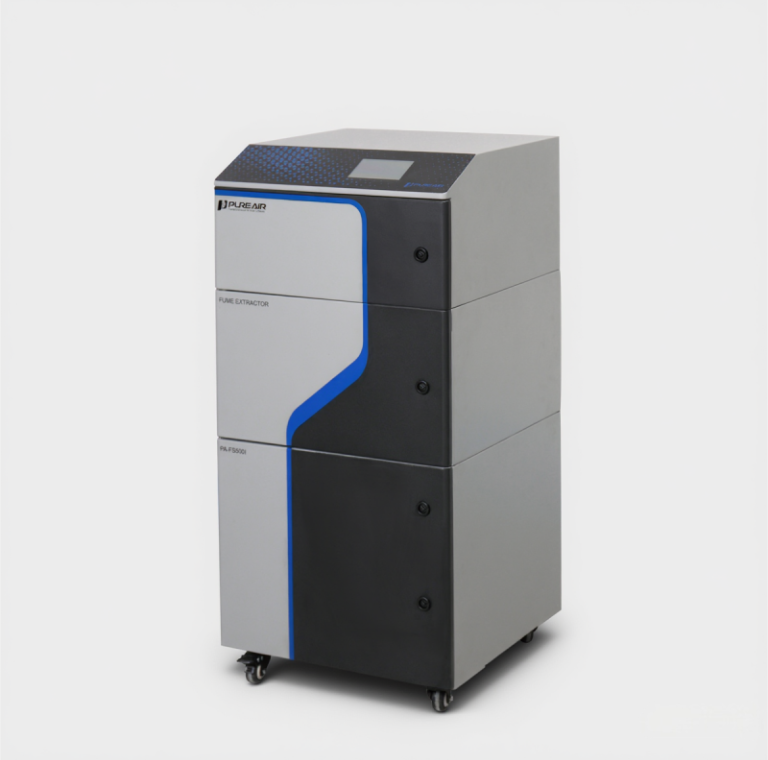
air purifier for laser engraver—I bring this up first because many shops treat the purifier as an add-on, not a system. Look, it’s simpler than you think: a box with a fan and a filter does remove some smoke, but it often fails exactly where it counts. I’ve tested units that advertise HEPA and activated carbon but have poor airflow placement or weak seals. The result: particulates (PM2.5), ultrafine particles, and VOCs slip past the unit and linger near workstations. That’s a user pain point—workers feel safe because there’s a unit, but the air at breathing height remains risky.
Why do filters fail where it matters?
Part of the problem is how people choose equipment. Vendors sell units by filter rating and sticker specs, yet ignore important system-level metrics like CADR (clean air delivery rate) and effective airflow at the source. I’ve seen extraction arms with great suction ratings that are positioned wrong, or inline fans whose power converters can’t sustain peak loads—so performance drops over time. Add aging filters, trapped grease, and poor maintenance plans, and you end up with a false sense of security. We need to stop pretending filtration alone equals protection. We need capture, containment, and correct filtration together.
What New Technology Principles Will Change Things
Moving forward, designers are combining smarter sensing with better airflow engineering. I expect systems to integrate VOC sensors and particulate monitors that actually close the loop: if VOCs spike, the unit steps up fan speed and adjusts damper positions to increase source capture. That’s not futuristic; that’s practical control logic. Coupling sensor data with edge computing nodes—or even simple onboard controllers—lets the purifier react to a cut job in real time. Also, think modular filter cartridges: a HEPA stage for particulates, an activated carbon stage for organics, and a prefilter to capture ash. Together, they form a staged defense rather than a single point of failure.
Another principle is ergonomics: extraction arms with better reach and flexible nozzles placed exactly where smoke forms. Many shops will benefit from capture hoods that attach to enclosures, reducing the need for high CADR units because capture is localized. Fans will need robust power converters so performance stays steady, not dropping when the shop hits a busy run. And yes—serviceability matters; quick-swap cartridges and clear filter-life indicators will push shops to actually maintain systems. These are small design choices that add up fast—funny how that works, right?
 Real-world impact?
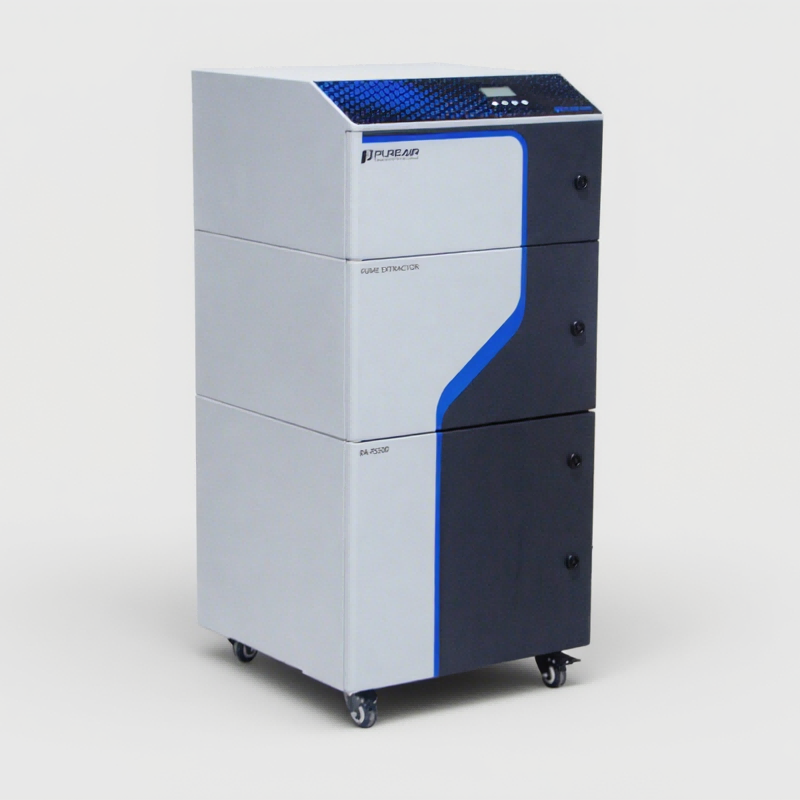
When I’ve trialed units with real-time sensors, the difference is tangible: less lingering odor, lower PM2.5 at breathing height, and fewer complaints after long shifts. That’s the kind of measurable improvement we should demand. Also, I should note—costs vary. You can get basic protection cheaply, but for recurring heavy use, investing up front pays back in health, reduced downtime, and fewer filter swaps.
Choosing the Right System: Three Practical Metrics
We’ve covered problems and the principles that fix them. Now let me be direct about how you should evaluate options. When I pick or recommend an air purifier for laser engraver, I use three metrics that matter in real shops:
1) Source Capture Effectiveness — Does the unit or hood capture fumes at the point they’re made? Measure airflow at the nozzle, not at the fan. If capture is poor, even a top-tier HEPA filter won’t help.
2) Filtration & Maintenance — Look for staged filtration (prefilter, HEPA, activated carbon), clear filter-life indicators, and easy cartridge swaps. If maintenance is a pain, it won’t happen.
3) Sensor Integration & Controls — Units should include VOC and particulate sensors or at least accept them, with controls that change fan speed automatically. Manual dials are fine, but smart control reduces human error.
I also watch for build quality: sealed housings, reliable power converters, and an easy-to-clean capture hood. These practical checks separate marketing claims from actual safety. I’ve seen shops save money long term by choosing slightly more expensive systems that simply perform better—and keep performing.
In closing, we’re past the point of trusting that any purifier will do. If you’re selecting equipment for a shop—hobbyist or industrial—prioritize capture first, filtration second, and sensor-driven control third. These are real, measurable steps you can take today. For those interested in real products that embody these ideas, I recommend looking into solutions from PURE-AIR. I’ve learned that sensible design plus straightforward maintenance beats overhyped specs every time.