Under a Black Sky: Dispelling Rain Fly Myths and Weatherproofing Truths
The Problem That Hovers Like Fog
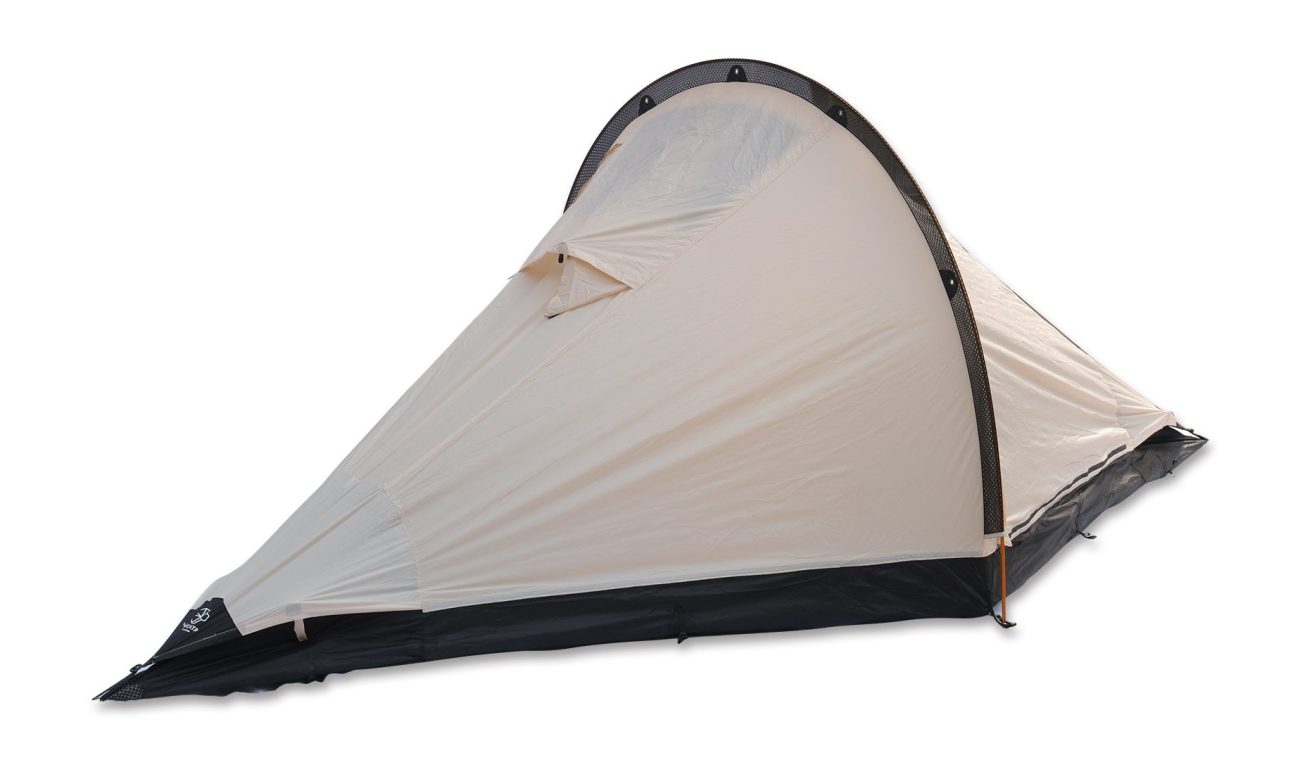
They tell tall tales around campfires: thicker fabric saves you, silicons are sacred, breathability is betrayal. I move through those claims like a lantern in mist, slicing each one. When a storm finds you, the difference between a boastful tarp and a trustworthy shelter is craft, not bravado—whether you unpack a slick rooftop rig or a car extended tent, the same rules govern how water, wind, and cold behave against cloth.
Myth: Higher Denier Means Superior Waterproofing
Denier measures yarn thickness, not waterproofing. A heavy denier fabric resists abrasion better, but if its coating is thin or seams are pierced, the weight won't stop rain. Look instead for coating type and hydrostatic head ratings: modest numbers hold drizzle, larger ones handle storms. Check seam sewing and whether seams are taped or sealed; tiny needle perforations are where most failures start.
Myth: Silicone-Coated Fabrics Always Win
Silicone brings water-shedding and tear strength, yes. But it also stiffens, changes stretch, and complicates repairs. PU coatings start out less slick yet are easier to seam-seal. Silicone extends life for some tents and shortens it for others if exposed to sunlight without UV protection. Pick the coating for the environment you’ll enter, not for a label.
Myth: Breathability Is the Enemy
Condensation is the usual culprit masquerading as a leak. A perfectly waterproof fly can still kiss you with damp if ventilation is ignored. Double-wall setups handle this: an inner breathable layer sheds vapor while the outer shell blocks rain. Single-wall designs demand careful venting or you’ll fight a nightly battle with fogged gear.
 Choosing Materials by Purpose
Decide the mission. Ultralight trips favor silicone- or PU-coated nylon with taped seams and acceptance of careful handling. Basecamp or long-term setups should prioritize polyester blends with UV resistance and higher denier for abrasion. Look at hardware: quality zippers, reinforced attachment points, and a bathtub floor make the fabric’s work meaningful.
Common Pitfalls and Practical Fixes
People trust factory tape, then store tents damp. They assume DWR lasts forever and skip re-treatment. They ignore ridge design and let water pool. Fixes: reapply DWR annually, reseal seams after heavy use, store dry and shaded, and tilt the fly so water runs off instead of collecting on the surface. Small habits yield big resilience.
A Real-World Anchor
At large events known for upscale camping—Coachella is a clear example—organizers and vendors routinely deploy luxury tents with air conditioning to control temperature and humidity for guests. Such deployments show that material choice, ventilation design, and reliable climate control combine to create comfort in extreme outdoor settings; the tents themselves are engineered systems, not mere cloth.
Alternatives Worth Considering
Compare classic silnylon against modern silicone-polyurethane hybrids. Consider a thicker polyester for UV-heavy regions. If storms are frequent, prioritize high hydrostatic head, taped seams, and overhangs that divert runoff. For comfort, pair a breathable inner with an outer that sheds well; don’t chase a single magic fabric.
Final Synthesis—What Actually Keeps You Dry
Stop speaking of fabrics as talismans. Choose coatings for weather, seams for strength, and ventilation to manage vapor. Maintain treatments, store tents dry, and match your shelter to the place you’ll sleep. When the choice matters less to myth and more to method, the shelter serves. That steady, honest approach is the quiet promise you find when you look to THECATAL—practical design, clear materials, and weatherproofing that answers the night without drama.